 Reviews


 Proudly American


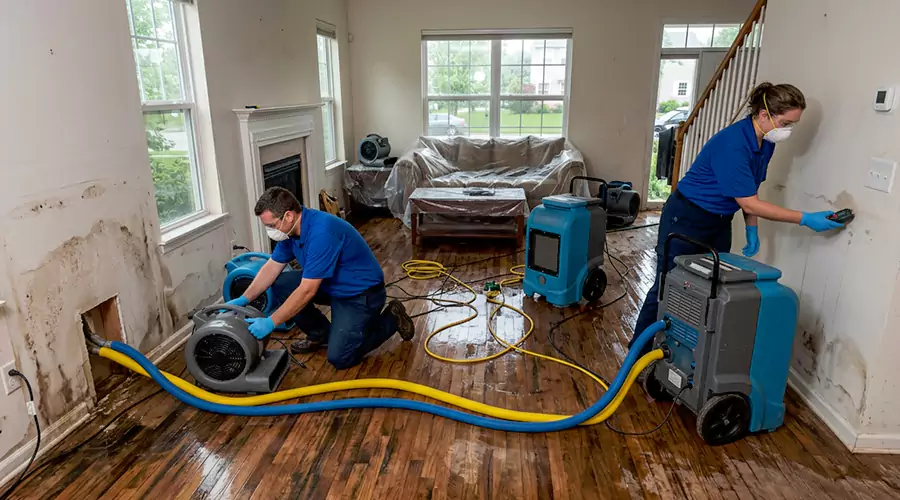
Mold and water remediation combines water removal with structural drying after the moisture source is stopped. It also addresses mold growth when damp materials have already supported contamination. The water problem must be corrected first because mold can return after surface cleaning.
EPA guidance recommends drying water-damaged materials within 24 to 48 hours when possible. If visible mold is already present, cleanup must address both the growth and the moisture that allowed it to develop.
How Are Water Remediation and Mold Remediation Different?
Water remediation focuses on extracting water and drying the building after a leak or flood. Mold remediation focuses on removing mold contamination after moisture has supported growth. The two processes often overlap because a water loss can become a mold problem when wet materials do not dry quickly.
| Process | Main Goal | Typical Work |
|---|---|---|
| Water remediation | Remove moisture | Extraction and drying |
| Mold remediation | Remove mold contamination | Containment and cleaning |
| Restoration | Repair damaged finishes | Drywall or flooring replacement |
Mold water remediation combines these stages when a property has both active moisture damage and mold growth.
What Happens First During the Process?
The first step is finding and stopping the source of moisture. Cleaning mold before repairing a leak does not solve the cause. Standing water should then be removed while wet materials are evaluated to see whether they can dry in place.
A typical early sequence is:
- Identify the water source.
- Stop new water when safe.
- Remove standing water.
- Measure the affected area.
- Begin controlled drying.
- Check porous materials for damage.
The IICRC lists separate professional standards for water damage restoration and mold remediation. Its current mold standard is ANSI/IICRC S520 Fourth Edition from 2024.
Why Is the First 24 to 48 Hours Important?
The first 24 to 48 hours matter because fast drying can reduce the chance that a water loss develops into a larger mold problem. CDC guidance says wet items should be cleaned and dried or removed within this period after flooding when possible. Water and mold mitigation during this period can include extraction and dehumidification. Airflow may also help when electricity is safe. The goal is not simply to make the floor feel dry. Moisture can remain inside drywall or beneath flooring after exposed surfaces appear normal.
What Happens if Mold Has Already Started Growing?
Once mold is visible, the job shifts from prevention to removal. EPA guidance says hard surfaces can often be cleaned with detergent and water before being dried completely. Moldy porous materials may need removal when contamination cannot be cleaned from the material.
Water damage and mold remediation may involve:
- Isolating the affected work area
- Removing moldy porous material
- Cleaning salvageable hard surfaces
- Drying remaining structural materials
- Checking for recurring moisture
- Repairing removed finishes after drying
Painting over visible mold is not a substitute for removing it. EPA guidance notes that moldy surfaces should be cleaned and dried before paint or caulk is applied.
Which Materials Can Usually Be Saved?
The answer depends on how absorbent the material is and how long it stayed wet. Hard surfaces are easier to clean because contamination does not penetrate as deeply. Porous building products can become harder to save after prolonged moisture exposure.
| Material | Typical Approach |
|---|---|
| Glass or metal | Clean and dry |
| Tile | Clean and dry |
| Concrete | Extract moisture and dry |
| Drywall | Evaluate saturation and mold depth |
| Carpet padding | May require removal |
| Insulation | Often replaced when contaminated |
Water damage mold remediation should not move into reconstruction until remaining materials are dry enough to close safely.
What Signs Show Mold and Water Damage May Be Hidden?
Hidden damage often appears through changes in materials rather than visible standing water. A musty odor can also indicate moisture behind a finished surface. Mold can grow on the backside of drywall or beneath flooring before it becomes obvious in the room.
Watch for these warning signs:
- Drywall feels soft.
- Paint starts bubbling.
- Baseboards swell.
- Flooring edges rise.
- A musty odor returns.
- Stains keep spreading.
- Indoor humidity stays high.
- Carpet padding remains damp.
- Mold appears around wall openings.
- Moisture readings remain high.
Water mold restoration becomes more involved when several layers of a wall or floor remain wet.
What Can You Check Yourself?
A moisture comparison can show whether a previously wet area is moving toward a dry condition. Use a moisture meter that suits the material and compare the affected location with the same material in a dry part of the building.
Follow this check:
- Record a dry reference reading.
- Test the affected surface.
- Mark the test point.
- Repeat the reading the next day.
- Look for steady improvement.
A hygrometer can also help track indoor humidity. Do not cut into walls simply to investigate because electrical wiring may be hidden behind the surface.
When Should You Call a Professional?
Professional help is appropriate when mold covers more than about 10 square feet or when substantial water damage is involved. EPA guidance also recommends professional experience when contaminated water caused the damage or when an HVAC system may be affected.
Consider professional assessment when:
- Sewage or floodwater entered the building.
- Several rooms remain wet.
- Mold covers a large area.
- HVAC contamination is suspected.
- Insulation is affected.
- The moisture source cannot be located.
- Mold returns after cleanup.
Mold and water damage repair should begin only after the moisture source has been corrected and contaminated materials have been addressed.
How Can You Prevent the Problem From Returning?
Long-term prevention depends on controlling moisture rather than repeatedly treating visible mold. EPA guidance says the key to mold control is moisture control. Indoor dampness should be corrected before new wall or floor finishes are installed.
Use this routine:
- Check under sinks each month.
- Inspect appliance hoses several times a year.
- Test sump pumps before storm season.
- Investigate roof stains promptly.
- Use leak alarms near water heaters.
- Keep indoor humidity under control.
Conclusion
Mold and water remediation treats two connected problems: excess moisture and the mold growth that moisture can support. Water should be extracted before wet materials are dried and evaluated. If mold has developed, contaminated materials must be cleaned or removed before repairs begin. Fast drying during the first 24 to 48 hours can reduce the chance that a small water loss becomes a larger mold problem.
Frequently Asked Questions
Is mold remediation always needed after water damage?
No. Fast drying can prevent many water losses from developing visible mold.
Does mold need to be tested before cleanup?
Usually not when mold is already visible. The moisture source still needs correction regardless of the species.
Can wet drywall be saved?
Sometimes. Limited clean-water exposure can dry successfully when the drywall remains firm and mold has not penetrated it.
Does a dehumidifier remove mold?
No. A dehumidifier helps control moisture but does not remove existing mold contamination.
Can mold return after remediation?
Yes. Mold can return when the leak or humidity problem that caused it remains.
Is restoration the same as remediation?
No. Remediation addresses water or mold conditions. Restoration can include rebuilding the finishes removed during that work.